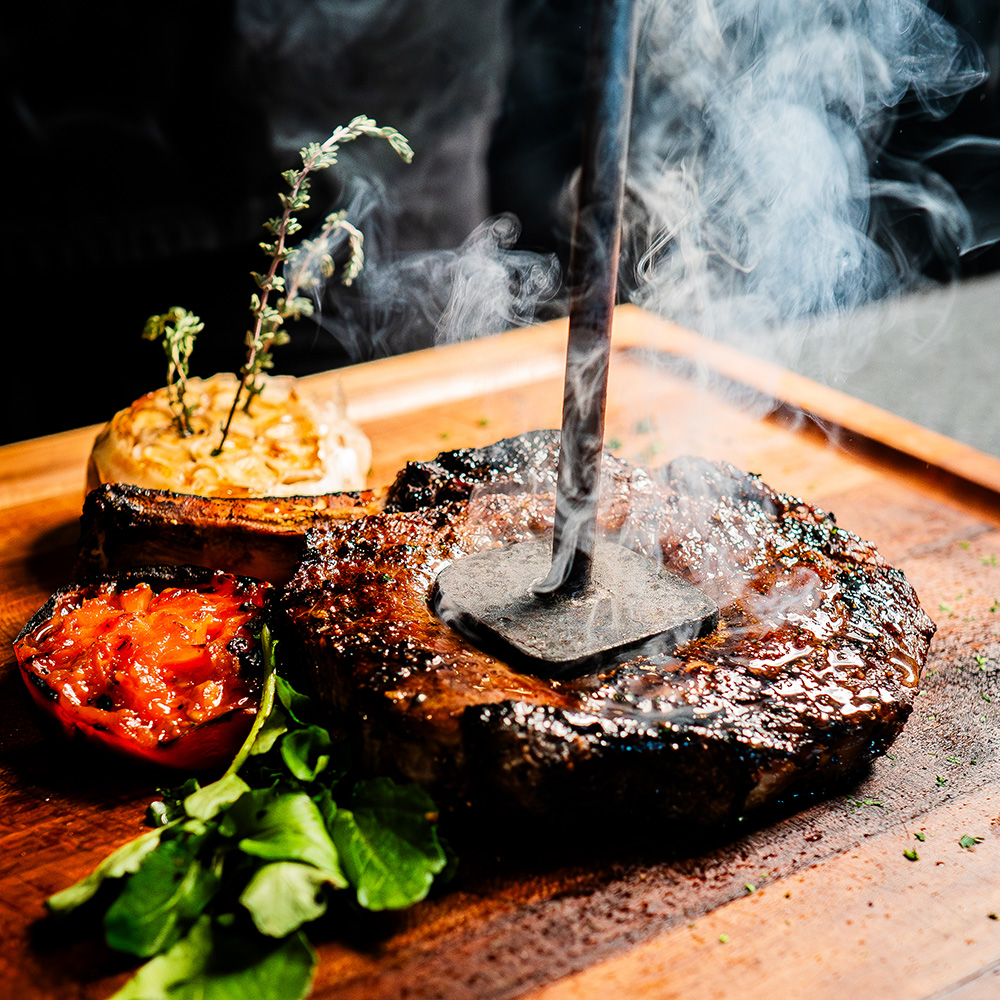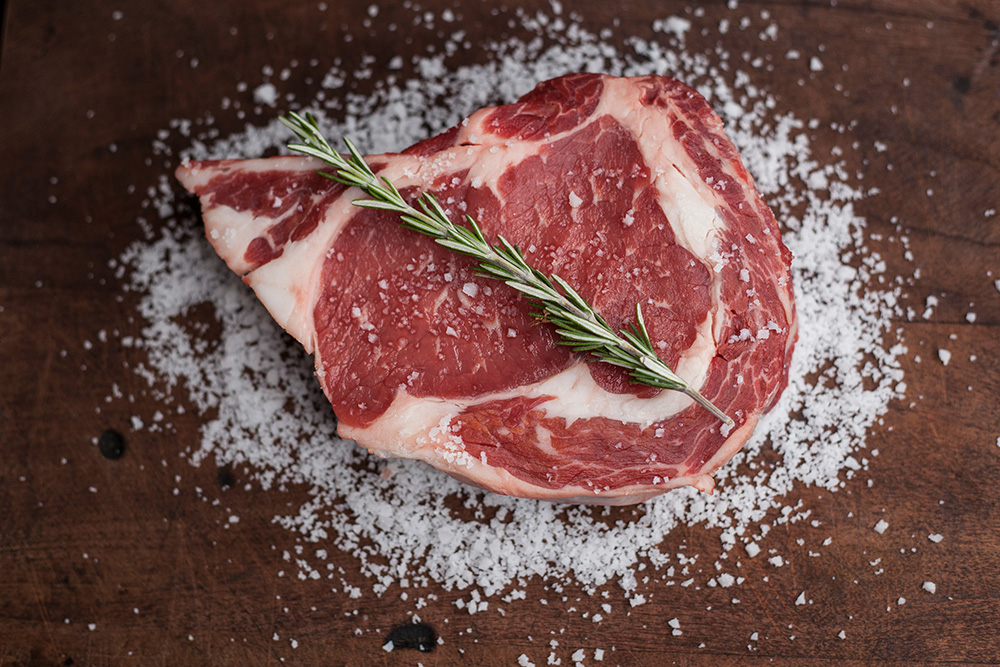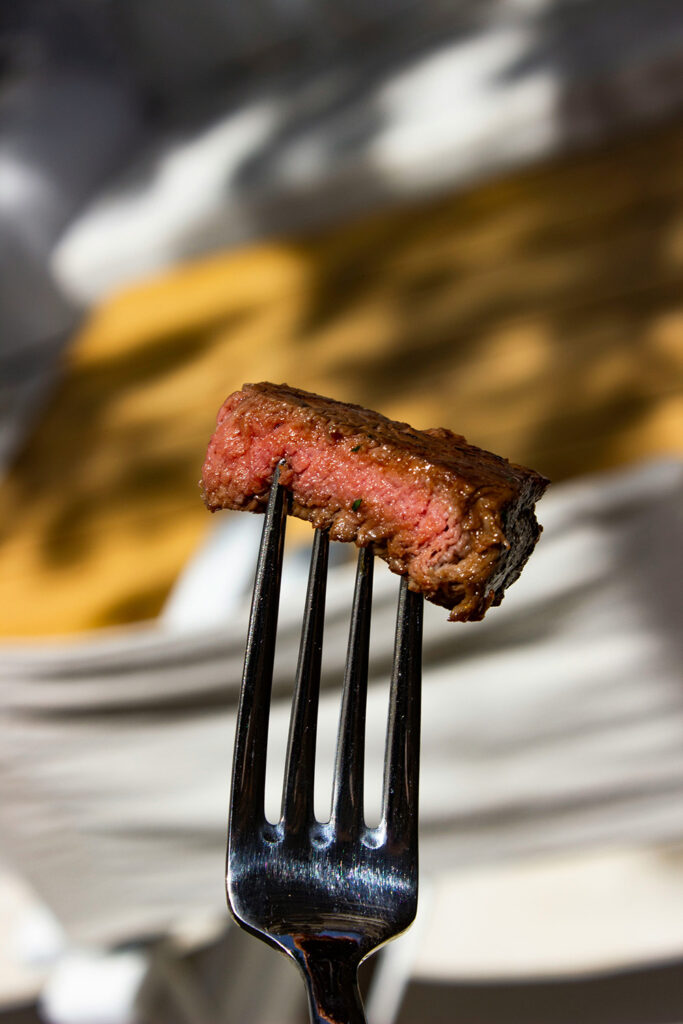
A great steak starts with getting the timing just right.
Whether you’re working with a delicate filet or a thick ribeye, learning about cooking times and temperatures helps you land exactly where you want to be, from a cool rare steak to a fully set well-done steak. It’s not about overthinking the process, it’s all about knowing when to take it off the heat and let the moment come together.
If you’re looking to learn how to cook steak at home with confidence, this guide keeps things simple while helping you reach that perfect doneness every time.
Steak Cooking Time Chart by Doneness
Getting your steak doneness right comes down to one thing: temperature.
Consulting a reliable steak temperature guide is helpful. A quick check of the internal temperature tells you exactly where you are in the cooking process and how close you are to your desired level of doneness.
Internal Temperature Guide
Using a reliable and quality thermometer makes a huge difference here. When the internal temperature reaches your target range, take your steak from the heat just before it fully settles, because it will continue to cook as it rests.
For example, a rare steak typically sits around 120° to 130°, while medium-rare lands just above that at around 130°. That slight shift in cooking temperatures changes everything from texture to juiciness.
While the USDA recommends a minimum of 145°F with a three-minute rest1 for food safety, many steak lovers prefer lower internal temperatures to preserve tenderness, juiciness, and the steak’s natural flavor. At steakhouses, rare and medium-rare preparations are commonly served upon request using high-quality cuts and proper handling practices.
| Doneness | Final Temp (°F) | Remove at (°F) | Center Appearance |
| Rare | 120–130 | 115–125 | Cool red center |
| Medium Rare | 130–135 | 125–130 | Warm red center |
| Medium | 135–145 | 130–140 | Warm pink center |
| Medium Well | 145–155 | 140–150 | Slight pink |
| Well Done | 155+ | 150+ | Uniformly brown |
Cooking Time Per Side
Cooking times will vary depending on your heat source, but this gives you a reliable starting point. Think of it as a rhythm, give each side enough time to develop a proper sear, then let the steak do the rest.
These times assume a one-inch boneless steak over high, direct heat. The best cuts of steak often feature varying thicknesses that require the adjustments covered in the next section.
| Doneness | Minutes Per Side | Total Time |
| Rare | 2–3 | 4–6 |
| Medium Rare | 3–4 | 6–8 |
| Medium | 4–5 | 8–10 |
| Medium Well | 5–6 | 10–12 |
Steak Cooking Time by Thickness
Not all steaks cook the same, and thickness changes everything.
A thinner cut moves quickly, while a thick steak takes more time to bring the center up to temperature without overcooking the outside.
Thin Cuts (½–1 inch)
Thin cuts like flank steak cook quickly over high heat with no oven finish needed. This is where timing matters most, leave it on too long and it can quickly move past your desired doneness. Keep total time short to avoid overcooking.
Thick Cuts (1.5–2+ inches)
Whether you are preparing USDA Prime vs Choice beef, thick cuts like ribeye, porterhouse, and New York strip benefit from a sear-then-oven approach.
Start with a strong sear, then finish in the oven so the internal cooking stays even. It’s a simple shift in cooking method that keeps the outside crisp while the inside reaches the temperature you want.
Thickness vs Time Chart
| Thickness | Doneness | Sear Per Side | Oven Finish | Total |
| ½ inch | Medium Rare | 2 min | None | 4 min |
| 1 inch | Medium Rare | 3 min | None | 6 min |
| 1.5 inch | Medium Rare | 2 min | 4–5 min | 8–9 min |
| 2 inch | Medium Rare | 2 min | 6–8 min | 10–12 min |
Cooking Steak on Different Surfaces
Your cooking surface shapes crust, flavor, and timing. From the grill to a cast iron skillet, each surface brings its own character to the cooking process.
Grill Cooking Times
The grill brings out a bold, open-flame flavor. Give your steak enough time on the grill to build a crust, then adjust as needed to reach your desired doneness.
| Doneness | 1-inch Per Side | 1.5-inch Per Side |
| Medium Rare | 3–4 min | 4–5 min |
| Medium | 4–5 min | 5–6 min |
Cast Iron Skillet Cooking Times
A hot skillet creates a deep, even sear. Once the pan is ready, the steak gets cooked quickly and evenly, building flavor with every minute on the surface.
| Doneness | Sear Per Side | Oven Finish (1.5″+) |
| Medium Rare | 2 min | 4–5 min |
| Medium | 2.5 min | 5–6 min |
Oven & Reverse Sear Method
This method takes a slower approach up front, then finishes strong.
Start low, let the internal temperature rise gradually, then finish with a final sear. It’s a reliable way to hit that perfect doneness, especially for thicker cuts.
| Doneness | Oven Temp | Oven Time | Final Sear |
| Medium Rare | 250°F | 20–25 min | 1 min/side |
| Medium | 250°F | 25–30 min | 1 min/side |
Pro Tips for Cooking the Perfect Steak
The difference between a good steak and a great one comes down to a few simple details.
Let Your Steak Reach Room Temperature
Before you cook your steak, let it sit out long enough to take the chill off.
If it’s coming straight from the freezer, allow it to thaw fully first. Starting closer to room temperature helps the steak cook evenly from edge to center.
Season Generously Before Cooking
A simple seasoning brings out everything the steak has to offer. Kosher salt and cracked black pepper are all you need to highlight the complex flavors of steak. Apply right before cooking or 40 minutes ahead for a better crust.
Always Let Your Steak Rest
Give your steak five to ten minutes off heat, allowing juices to redistribute2 instead of spilling onto your cutting board.
Use a Meat Thermometer for Accuracy
If you want consistency, this is your best tool. Insert the probe into the thickest part, avoiding bone. Test as often as you need, checking temperature does not release juices.
Common Steak Cooking Mistakes to Avoid
Even quality cuts fall flat when these missteps sneak in.
Overcooking Your Steak
Once a steak moves past your desired doneness, there’s no going back.
Take it off the heat just before it reaches your target temperature, this gives you room for the steak to finish gently as it rests.
Flipping Too Often
Give each side time to develop. A proper sear builds flavor, and patience here is what separates a good result from a great one.
Skipping the Resting Period
Cutting too soon means losing all that built-up juiciness. A brief rest keeps them where they belong, and is all that it takes to let everything settle into place.
Experience Perfectly Cooked Steak at Sullivan’s Steakhouse
Getting it just right at home takes time. But sometimes you just want to sit back and let the pros take over while you decide what steak to order.
At Sullivan’s Steakhouse, every steak, from a perfectly prepared filet mignon to a richly marbled ribeye, is handled with care from start to finish. The temperature, the timing, the final sear, it all comes together without second-guessing.
Whether you’re celebrating through private dining or bringing Sullivan’s quality to your next event with steak catering, we’ll make sure it’s one for the books.
Find a Sullivan’s Steakhouse location near you, or book a reservation and leave the searing to us.
Sources
- FoodSafety.gov. Cook to a Safe Minimum Internal Temperature. https://akaprod-www.foodsafety.gov/food-safety-charts/safe-minimum-internal-temperatures
- ThermoWorks. Resting: The Final Phase of Cooking. https://blog.thermoworks.com/give-your-meat-a-rest/