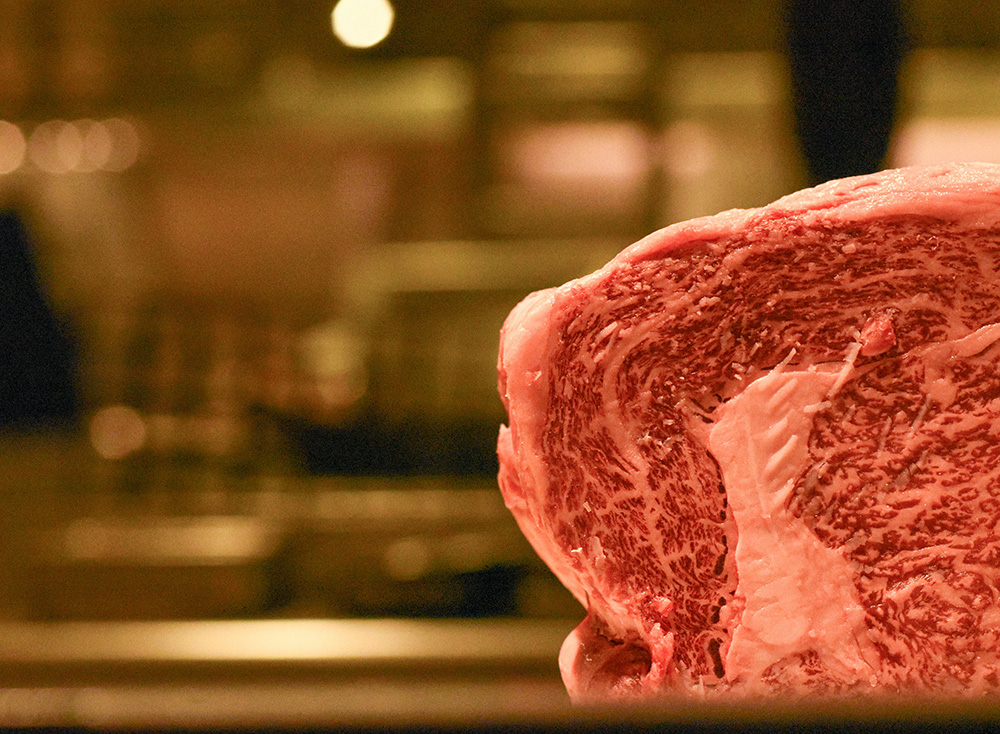
Few steaks inspire more curiosity than Wagyu.
Celebrating something special? Curious about what makes these cuts so sought after? Understanding the difference between American Wagyu and Japanese Wagyu makes choosing your next steak that much easier. Both offer exceptional quality, remarkable marbling, and unforgettable flavor, but they deliver very different experiences at the table.
From the farm where the cattle are raised to the way each Wagyu steak is served, every detail shapes the final result. Here’s what separates Japanese Wagyu beef from its American counterpart, and which one belongs on your plate.
Main Takeaways
- American Wagyu beef combines Japanese Wagyu cattle with American Angus beef, creating full-sized steaks with rich marbling and bold flavor.
- Japanese Wagyu delivers an intensely luxurious experience known for extraordinary tenderness and richness.
- Different types of Wagyu vary in marbling, flavor profile, serving style, and price tag.
- American Wagyu offers the best of both worlds: elevated marbling with a traditional steakhouse experience.
- Both represent some of the highest quality beef available today.
What Is Wagyu Beef?
Wagyu is a premium breed of beef known worldwide for its exceptional marbling and tenderness.
The word itself translates to “Japanese cattle,” but Wagyu represents far more than a single breed. Japan’s Wagyu includes four primary breeds:
- Japanese Black
- Japanese Brown
- Japanese Shorthorn
- Japanese Polled
Each type of Wagyu contributes its own characteristics, though Japanese Black cattle account for the overwhelming majority of premium Wagyu production.
Why Wagyu Is Known for Exceptional Marbling
Marbling is what makes Wagyu famous.
Marbling refers to the delicate streaks of intramuscular fat woven throughout each cut. This fat creates the tenderness, juiciness, and flavor1 that distinguish Wagyu from other quality beef.
Wagyu fat melts at a lower temperature than standard beef fat, producing that signature sensation where the steak seems to dissolve on your tongue.
What Is Japanese Wagyu?
The original standard for Wagyu comes from Japan, where strict traditions and regulations have shaped these cattle for generations.
For many steak lovers, Japanese Wagyu represents the pinnacle of beef.
Raised and Regulated in Japan
Purebred Japanese Wagyu cattle are raised under strict standards that have been refined over generations. Long feeding programs, careful handling, and close oversight help create the exceptional quality associated with Japan’s Wagyu.
Renowned names like Kobe, Matsusaka, and Ohmi demonstrate how carefully these traditions are protected.
Intense Marbling and Buttery Texture
The marbling of Japanese Wagyu is unlike anything else on the market.
The eating experience feels almost custard-like, with marbling so finely distributed it practically melts away. This extreme richness explains why traditional Japanese preparations feature thin slices rather than thick steaks.
A5 Wagyu may be the most celebrated example, delivering extraordinary richness in just a few ounces.
Japanese Wagyu Grading System
Japan’s grading system uses a letter-number scale from A1 through A5. The A5 designation indicates the highest possible yield and meat quality.
Within each grade, the Beef Marbling Standard (BMS) scale of 1 through 12 measures fat distribution. Top-tier A5 Wagyu often scores between 8 and 12.
What Is American Wagyu?
American producers took those prized Japanese genetics and created something built for the American table. Explore the Sullivan’s Steakhouse menu for cuts that bring rich marbling to the steakhouse plate.
A Cross Between Wagyu and American Cattle Breeds
American Wagyu beef comes from Japanese Wagyu cattle with American cattle breeds, most commonly Angus, producing some of the best cuts of steak.
The original breeding stock arrived in the United States decades ago. Today, the American Wagyu Association verifies genetics through DNA testing, ensuring all cattle are traceable to verifiable Wagyu parentage2 and maintaining breed integrity across the industry.
Rich Flavor with a More Traditional Steak Texture
While Wagyu’s tenderness remains a defining feature, American Wagyu delivers a more familiar steakhouse bite. With less fat than Japanese A5, it remains indulgent while feeling approachable enough for a full entrée.
Much like the distinction between a dry-aged vs wet-aged steak, the difference comes down to the experience you’re seeking, one focusing on intense richness and complexity, the other balancing luxury with classic steakhouse appeal.
Think of a beautifully marbled Wagyu ribeye or New York strip arriving at the table; rich, satisfying, and unmistakably steakhouse.
Why American Wagyu Appeals to Steakhouse Diners
American Wagyu offers the richness people love about Wagyu while maintaining the size and presentation of a classic steak dinner.
That format gives guests exploring different types of steak a richer cut without abandoning the classic steakhouse presentation they love. It also gives guests a premium experience at a more accessible price than many imported Japanese selections.
American Wagyu vs Japanese Wagyu: Key Differences
Here’s how these two premium beef options compare across the factors that matter most.
| Factor | Japanese Wagyu | American Wagyu |
| Marbling | Intense, web-like marbling | Generous, balanced marbling |
| Flavor | Buttery, delicate | Bold, beef-forward |
| Texture | Extremely soft and rich | Traditional steakhouse texture |
| Portion Size | Smaller servings | Full-sized steaks |
| Price | Higher | More accessible |
Which Wagyu Is Right for You?
Deciding what steak to order depends entirely on the dining experience you’re seeking.
For a Rich, Once-in-a-Lifetime Experience
Japanese A5 and American Wagyu both offer remarkable quality, but Japanese A5 stands apart for pure luxury and suits those craving a small, intensely rich tasting.
Seek specialty restaurants that honor traditional thin-slice preparations showcasing the marbling and tenderness this grade delivers.
For a Classic Steakhouse Evening
American Wagyu feels right at home in the steakhouse setting.
A richly marbled Wagyu ribeye, a celebratory dinner, or a night out with friends all call for a steak that delivers elevated flavor without sacrificing the full steak experience.
It’s the kind of steak that pairs perfectly with a great bottle of wine, signature cocktails, and the best steakhouse sides, creating a meal that’s meant to be savored alongside good company.
Experience a Cut Above at Sullivan’s Steakhouse
At Sullivan’s, every steak is hand-cut, carefully prepared, and served exactly the way you like it.
Whether you choose a richly marbled Wagyu steak or one of our USDA Prime favorites, you’ll find the same commitment to sourcing, preparation, and hospitality. The dining room energy, signature cocktails, and warm service turn a great steak into a night worth lingering over.
Visit a Sullivan’s Steakhouse location near you to enjoy an elevated steakhouse experience, or explore our private dining options for celebrations, business dinners, and special gatherings. Book a reservation and discover why exceptional steak, prepared with care and served in the right setting, never goes out of style.
Sources
- USDA Food Safety and Inspection Service. What do beef grades mean? https://ask.fsis.usda.gov/article/What-do-beef-grades-mean
- USDA Agricultural Marketing Service. Live Animal Specification. https://www.ams.usda.gov/sites/default/files/media/AWA_WagyuLiveAnimalSpecification.pdf