You’re scanning the menu on date night, and two popular cuts of steak keep catching your eye: ribeye steak and NY strip steak. Both are steakhouse classics, but each brings a different kind of payoff on the plate.
The difference comes down to where each cut of meat lives on the cow, how much marbling runs through it, and the flavor profile you’re craving tonight.
At Sullivan’s, both cuts are hand-cut from USDA Prime beef and cooked to your exact preference, but understanding what sets them apart helps you order with confidence, whether you stick with these two or explore the rest of our types of steak cuts rundown.
Where Each Cut Comes From
Where each cut sits on the cow explains why the strip lands leaner and firmer, while the ribeye brings more marbling and softness. Each one grows from a different part of the animal, which shapes texture as much as flavor.
New York Strip
The New York strip steak comes from the short loin, a section along the upper back that sees minimal movement during the animal’s life. That limited activity creates a tight grain, a pleasantly firm bite, and a leaner cut than its rib-primal neighbor.
You’ll recognize the strip by its oblong shape and the distinctive band of fat running along one edge.
Other names for New York strip:
- Strip loin
- Kansas City strip
- Ambassador steak
The short loin is just one stop on the map. The sirloin sits nearby and produces its own well-known cuts, worth exploring on a future visit.
Ribeye
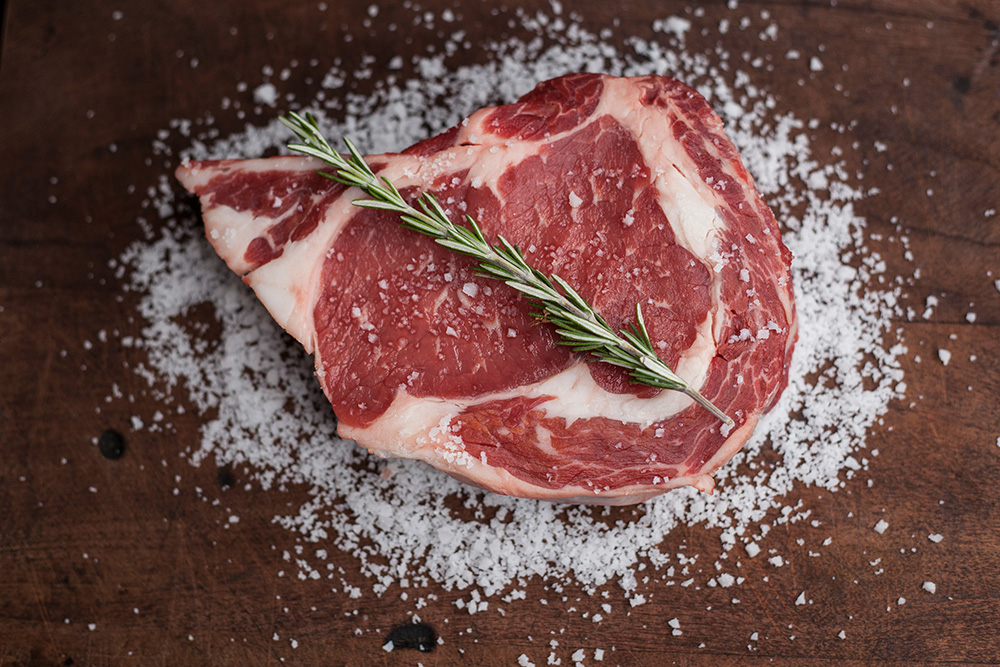
The ribeye is cut from the rib section of the cow, where the muscle does the least work of anywhere on the animal.1 That inactivity is exactly why so much fat has room to develop throughout the meat.
The star of the ribeye is the spinalis, often called the ribeye cap. This crescent-shaped section, wrapping around the eye, delivers the most tender, richly marbled bites of the entire steak.
Ribeyes show up on the menu, boneless or bone-in, and sometimes with the whole rib bone left on:
- Boneless ribeye
- Bone-in ribeye (sometimes called a cowboy steak)
- Tomahawk steak with the full rib bone intact
Comparing Flavor & Texture
Once the heat hits, fat and muscle structure start telling two different stories.
New York Strip: Firm and Beefy
The NY strip carries moderate marbling with that signature fat cap along the edge. During cooking, this fat renders slowly, basting the steak from the outside in and adding richness without overwhelming your palate.2
What you taste is a beef-forward flavor profile where the meat takes center stage rather than the fat.
Texture-wise, expect a satisfying chew with real substance to every bite. This cut shines brightest at medium-rare to medium doneness, right where most temperature charts recommend.
Ribeye: Rich and Buttery
The ribeye is rich in every sense of the word. Fat renders during cooking, and that fat melts from within the marbling, creating a self-basting effect that keeps every bite remarkably juicy.
The ribeye’s texture runs softer and more tender than the strip, with a buttery taste that sometimes approaches melt-in-your-mouth territory. Medium-rare is ideal here, letting the fat fully render while keeping the center a warm pink and preserving the red juice in steak that keeps every bite tasting alive.
This marbled ribeye is proof that marbling is the defining difference between these two steaks. For more on the cuts that earn top billing for flavor, tenderness, and marbling, see our best cuts of steak.
Which Cut Should You Order?
Trying to decide which cut to order? There’s no wrong answer, just the right steak for your mood tonight.
Choose New York Strip If…
You want beef flavor front and center without heavy richness, paired with a firmer texture that offers real satisfaction in every slice. This prime strip brings exactly that to your plate.
The NY strip also plays beautifully with accompaniments. Bold sauces, compound butters, and the best steakhouse sides like garlic mashed potatoes or creamed spinach complement rather than compete with the meat.
Pair it with a crisp martini or medium-bodied red for a balanced evening.
Choose Ribeye If…
Go ribeye when you want maximum richness in every bite. Maximum tenderness, serious juiciness, and that buttery flavor mean this steak is ideal for celebrations.
If the celebration calls for its own room, consider our private dining options.
A few cooking methods bring out the best in a ribeye:
- A great ribeye needs nothing more than salt, pepper, and high heat
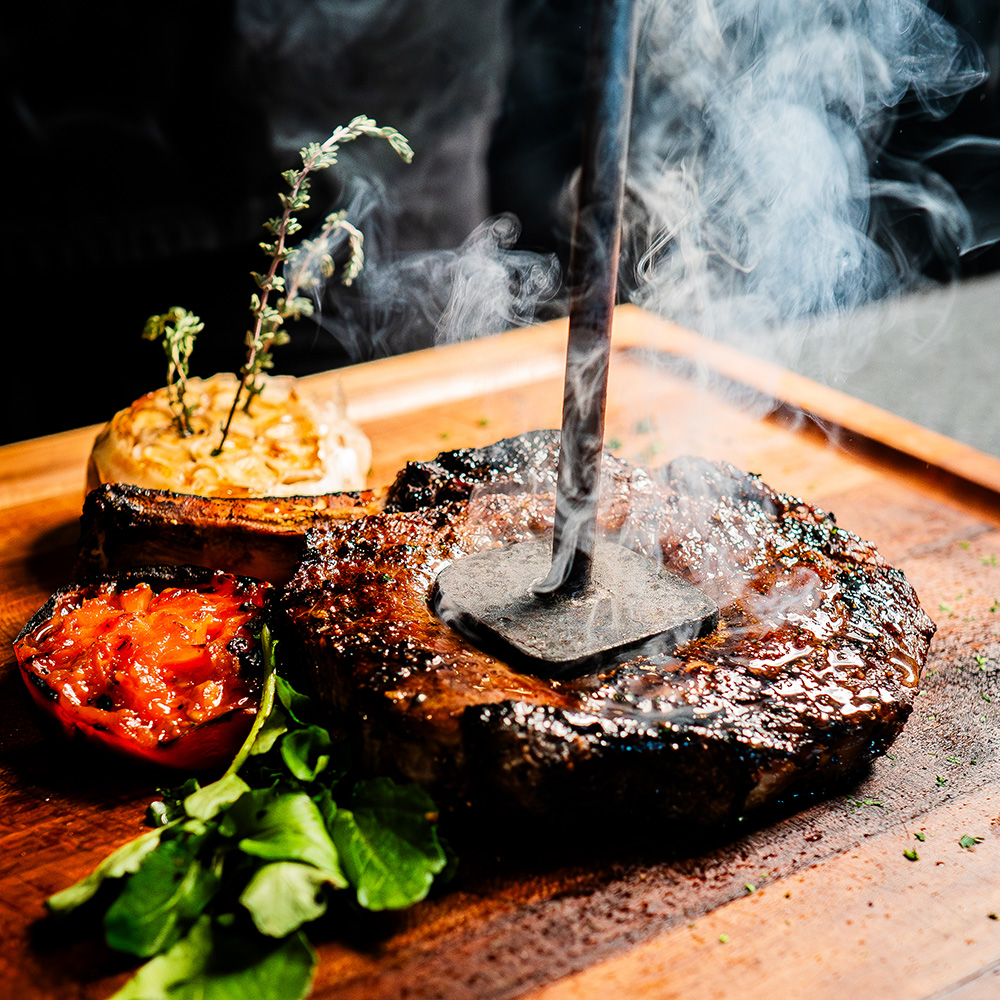
- Grill the perfect steak outside, sear it in a cast-iron skillet, or broil it to a beautiful finish
- Balance the richness with lighter sides like roasted vegetables or a green salad with bright vinaigrette
- Pair with a bold Cabernet or an Old Fashioned
Still weighing NY strip vs. ribeye? That’s exactly what your server is for.
Browse the Sullivan’s Steakhouse menu to see both cuts and pairing ideas. If you’re cooking one at home, check our steak cooking times for temperatures and timing.
Other Cuts Worth Knowing
Ribeye and NY strip get most of the attention on a steakhouse menu, but they’re not the only cuts worth knowing. If you’re craving something leaner, sirloin is a lighter cut of meat with its own devoted following. For maximum tenderness, filet mignon is the top pick, and the T-bone gives you a taste of both strip and filet on a single bone.
Every option comes from the same hand-selected cuts of beef Sullivan’s is known for. Choose the right cut for how you want the night to feel: no cut is better than another here, just the one cut that fits what you’re craving tonight.
Try Both Cuts at Sullivan’s
The best way to settle the ribeye steak vs. strip steak debate is tasting them side by side, ideally with a signature cocktail in hand and live jazz setting the mood. At Sullivan’s, both cuts are hand-cut from USDA Prime beef and cooked exactly to your preference.
A great steak dinner hits harder when the service feels as dialed-in as the sear.
Find Sullivan’s Steakhouse locations near you, including our Charlotte steakhouse, or book a reservation and let us help you find what steak to order tonight.
Sources
- Iowa State University Extension and Outreach, AnswerLine. Tender vs Less Tender Cuts of Meat. https://blogs.extension.iastate.edu/answerline/2025/10/21/tender-vs-less-tender-cuts-of-meat-2/
- University of Arkansas System Division of Agriculture (UAEX UADA). Fat Means Flavor When It Comes To Beef. https://www.uaex.uada.edu/media-resources/news/2025/may/05-05-2025-ark-beef-marbling.aspx